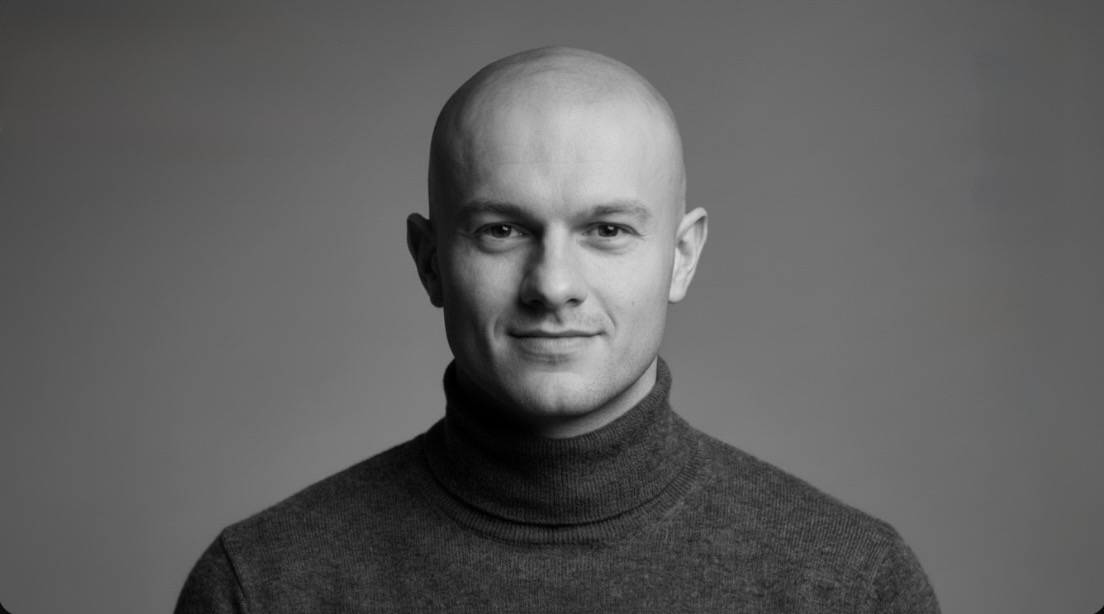
Dr. Dane McCarrick
Graduation Date: 2024
Institution: University Of Leeds
Thesis title: The Perseverative Cognition Hypothesis: Testing the effects of worry and rumination on physical and behavioural health outcomes.
Supervisor: Daryl O’Connor
Research Pathway: Wellbeing, Health, and Communities (WHC)
Research and career:
Current job title:
Associate Director, Patient Centered Outcomes Research, UCB Biosciences
Give a brief overview of your current role and responsibilities:
I currently lead global Patient-Centered Outcomes Research at UCB, where I am responsible for shaping and delivering evidence that captures patients’ experiences, behaviours, and treatment impacts across therapeutic areas. My role involves designing and overseeing primary and secondary research, advising on the selection, development, and validation of Clinical Outcome Assessments for clinical trials, and ensuring alignment with regulatory expectations from agencies such as the EMA and FDA. I work closely with clinical, regulatory, health economics, and medical teams to translate patient facing research into evidence that support drug development, approval, and value demonstration.
Describe your journey from your PhD to your current role:
After completing my PhD, I began my academic career as a lecturer at Leeds Trinity University, where I taught quantitative statistics and research methods. I then moved into the pharmaceutical industry, spending three years at Sanofi, where I applied the research skills learnt during my PhD to patient-centred outcomes research, evidence synthesis, and regulatory-facing work across immunology and rare disease. In March 2025, I joined UCB in Germany, where I now lead global Patient-Centered Outcomes Research activities, integrating robust quantitative and qualitative science with patient insight to support the development and approval of new drugs.
In what way did your experience with the WRDTP prepare you for your current career?
Taking part in the ESRC White Rose Doctoral Training Partnership was foundational to my career. The programme gave me rigorous training in quantitative research design, psychometrics, and advanced statistical methods, alongside a strong grounding in evidence synthesis and reproducible science. These skills are directly embedded in my current role, where I design and evaluate Clinical Outcome Assessments, and generate patient-centred evidence to support regulatory decision-making with agencies such as the EMA and FDA. Just as importantly, the DTP developed my ability to translate complex methodological work into clear, decision-relevant insights for multidisciplinary stakeholders—a daily requirement in industry. I am deeply grateful to the ESRC and the White Rose partnership for the opportunity, support, and intellectual environment that enabled me to build a research skillset with lasting, real-world impact.
What advice would you give to current or future WRDTP postgraduate researchers?
I would encourage current PhD students to invest as much in their transferable research skills as in their thesis topic. Develop a deep understanding of research design, measurement, and statistics, and learn how to defend methodological choices clearly—these skills travel far beyond academia and are highly valued in industry, policy, and applied research roles. Seek out opportunities to collaborate across disciplines, present your work to non-specialist audiences, and engage with training beyond your immediate project. Finally, remain open-minded about career paths: a PhD is not just preparation for a single job, but a powerful toolkit for plentiful working environments.